



The 6 Types of Packaging Materials Explained: How to Choose
- Written by: Dauxin Team
- Last Updated: November 1, 2025
Table of Contents
Choosing the right packaging material is one of the most important decisions for any product-based business. Your material doesn’t just protect what’s inside—it defines how customers perceive your brand, influences shipping costs, and shapes your sustainability footprint.
In this guide, we’ll explore six major types of packaging materials—from traditional paperboard and corrugated board to innovative new eco-materials—so you can select the one that best fits your product and brand goals.
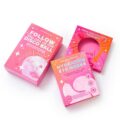
1. Paperboard Packaging (Carton Board)

Paperboard (also known as carton board) is a lightweight, printable material made from pulp. It’s the go-to choice for retail packaging, including cosmetic boxes, folding cartons, and food sleeves.
Pros:
Lightweight and easy to fold or cut into custom shapes
Excellent printability for branding and product information
Cost-effective and widely available
Can be made from recycled paper or sustainable sources (FSC-certified)
Cons:
Less durable for heavy or moisture-sensitive products
Not ideal for long-distance shipping unless reinforced
Best Uses:
Cosmetic packaging
Cereal boxes, confectionery boxes, and food sleeves
Retail cartons and display packaging
Sustainability Angle:
Paperboard is increasingly produced from recycled fibers or sustainably managed forests. Many brands now opt for coating-free, recyclable finishes to align with eco-friendly goals.
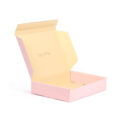
2. Corrugated Board (Shipping Boxes)
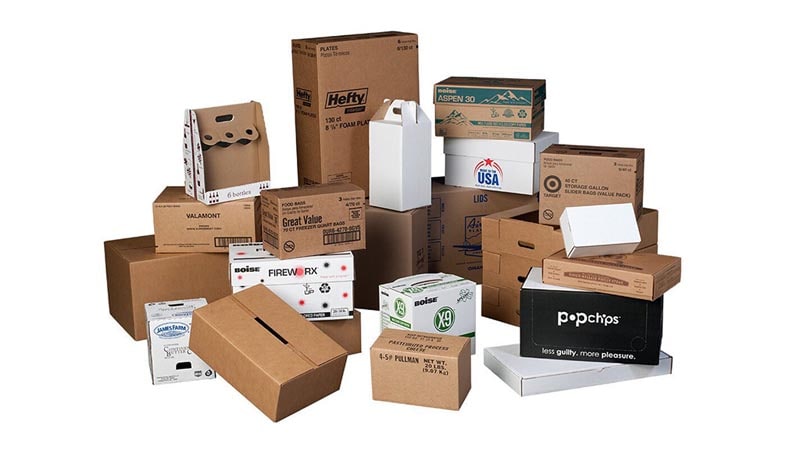
Corrugated board consists of a fluted inner layer sandwiched between linerboards, giving it impressive strength and cushioning. It’s the backbone of e-commerce and logistics packaging worldwide.
Pros:
Superior strength and protection for shipping
Lightweight yet rigid structure
Recyclable and biodegradable
Supports various grades for strength customization
Cons:
Bulky compared to paperboard
Limited printing aesthetics unless laminated
Best Uses:
Shipping boxes, mailer boxes, subscription boxes
Point-of-sale displays and protective inserts
Sustainability Angle:
Corrugated packaging boasts one of the highest recycling rates among all materials. Modern innovations like water-based inks and lightweight flutes make it even more eco-efficient.
3. Glass Packaging (Bottles & Jars)

Glass is a timeless material known for its premium appeal, chemical stability, and recyclability. It’s a favorite for beverages, cosmetics, and gourmet food packaging.
Pros:
Non-porous, inert, and preserves flavor or scent perfectly
Infinitely recyclable without losing quality
Premium look and feel for luxury products
Resistant to temperature and chemical changes
Cons:
Heavy and fragile, increasing transportation costs
Requires more energy to produce and recycle
Best Uses:
Perfume and cosmetic bottles
Wine, beer, and beverage bottles
Jars for sauces, honey, or candles
Sustainability Angle:
Glass is a closed-loop material, meaning it can be recycled indefinitely. Brands are also exploring lightweight glass and refillable systems to minimize carbon emissions.
4. Plastic Packaging (Rigid & Flexible)

Plastic remains one of the most versatile packaging materials due to its flexibility, cost-effectiveness, and durability. It can be molded into rigid containers, bottles, or flexible films for pouches and wraps.
Pros:
Lightweight, durable, and cost-efficient
Moisture- and tamper-resistant
Ideal for both rigid and flexible packaging applications
Compatible with transparent or colored finishes
Cons:
Environmental concerns over plastic pollution
Some types are hard to recycle or require specialized facilities
Best Uses:
Food containers, beverage bottles, flexible pouches
Medical and pharmaceutical packaging
Personal care products
Sustainability Angle:
The industry is shifting toward recycled PET (rPET) and bio-based plastics made from renewable resources like sugarcane or corn starch. Refill programs and mono-material films are gaining traction as greener solutions.
5. Metal Packaging (Aluminum & Steel)

Metal packaging—typically aluminum or steel—offers unmatched protection and a long shelf life. It’s widely used in the food, beverage, and aerosol industries.
Pros:
Excellent barrier against light, air, and moisture
Extremely durable and tamper-resistant
Infinitely recyclable with no loss of quality
Suitable for pressurized or perishable products
Cons:
Heavier than some alternatives
Higher production and energy costs
Best Uses:
Beverage cans, coffee tins, and food cans
Aerosol sprays, paint cans, luxury containers
Sustainability Angle:
Aluminum and steel are infinitely recyclable materials—around 75% of all aluminum ever produced is still in use today. Brands are adopting thin-wall technology to cut weight while maintaining strength.
6. Innovative & Eco-Friendly Materials
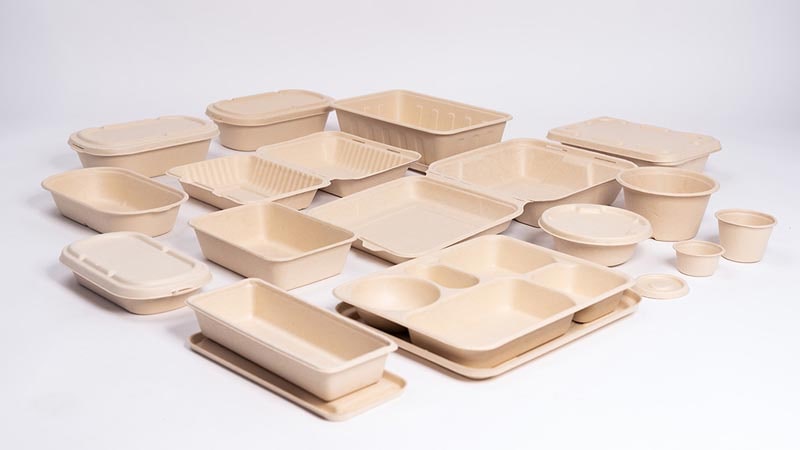
Sustainability and technology are driving the development of innovative packaging materials that combine performance with environmental responsibility. These include plant-based, compostable, or renewable materials designed to replace plastic and foam.
Examples:
Mushroom mycelium packaging (grown from fungi, biodegradable)
Cellulose-based films (transparent, compostable alternatives to plastic)
Seaweed or corn-based bioplastics
Recycled textile fibers or stone paper
Pros:
Environmentally friendly and compostable
Great for brand storytelling and sustainability positioning
Visually distinctive, often aligning with eco-conscious markets
Cons:
Higher production costs
Limited industrial infrastructure for large-scale recycling or composting
Best Uses:
Premium eco-brands, start-ups, and limited-edition product lines
Sustainable e-commerce packaging and gift boxes
Sustainability Angle:
Innovative materials often use renewable feedstocks and minimal energy inputs. Many startups focus on closed-loop solutions, where packaging naturally returns to the environment without harm.
Comparison Table: Types of Packaging Materials
|
Material |
Key Strengths |
Weaknesses |
Best Uses |
Sustainability |
|---|---|---|---|---|
|
Paperboard |
Lightweight, printable, cost-effective |
Limited strength |
Folding cartons, retail boxes |
Recyclable, FSC-certified options |
|
Corrugated Board |
Strong, protective, recyclable |
Bulky, less aesthetic |
Shipping boxes, e-commerce |
High recycling rates, eco-inks |
|
Glass |
Premium, inert, reusable |
Heavy, fragile |
Beverages, cosmetics |
Infinitely recyclable |
|
Plastic |
Versatile, durable, lightweight |
Pollution risk |
Food, bottles, pouches |
Moving toward rPET and bio-based plastics |
|
Metal |
Strong barrier, durable |
Heavy, costly |
Cans, aerosols, luxury |
Infinitely recyclable |
|
Innovative |
Eco-friendly, unique |
Expensive, niche |
Sustainable branding |
Compostable and renewable |
How to Choose the Right Packaging Material
Before choosing a packaging material, consider these factors:
Product Nature: Fragile, perishable, or lightweight products need different levels of protection.
Brand Positioning: Premium products may require glass or metal; eco-brands might choose paperboard or bioplastics.
Shipping & Logistics: Corrugated board remains king for global deliveries.
Sustainability Goals: Look for recyclable, renewable, or compostable options.
Budget: Balance between material cost, printing, and finishing.
A smart strategy often combines primary, secondary, and tertiary packaging for protection, presentation, and shipping efficiency.
Future Trends in Packaging Materials
The packaging industry is evolving fast:
Circular economy models are reshaping how we think about waste.
Smart and connected packaging (like NFC tags and QR codes) are enhancing traceability.
Bio-engineered materials are turning agricultural waste into usable packaging.
Minimalist, mono-material designs are improving recyclability and reducing waste streams.
Brands that adapt early to these shifts will stand out in both sustainability and innovation.
Future Trends in Packaging Materials
The packaging industry is evolving fast:
Circular economy models are reshaping how we think about waste.
Smart and connected packaging (like NFC tags and QR codes) are enhancing traceability.
Bio-engineered materials are turning agricultural waste into usable packaging.
Minimalist, mono-material designs are improving recyclability and reducing waste streams.
Brands that adapt early to these shifts will stand out in both sustainability and innovation.
Conclusion
Each packaging material has unique strengths—and the right choice depends on your product, brand identity, and sustainability goals. Whether you choose recyclable corrugated boxes, premium glass, or next-generation bio-materials, understanding these six types of packaging materials helps you design packaging that protects your products and your reputation.
FAQs
There are six main types: paperboard, corrugated board, glass, plastic, metal, and innovative eco-materials.
Corrugated board is the most common and cost-effective choice for shipping, offering excellent protection and customization. For extremely heavy or industrial items, metal or custom wooden crates may be used.
Innovative materials include biodegradable, compostable, or renewable alternatives like mushroom packaging, seaweed bioplastics, and cellulose films.
"Eco-friendly" depends on the goal. Glass and metal (aluminum/steel) are infinitely recyclable without quality loss. Paperboard and corrugated board have very high recycling rates and come from renewable resources (trees). Innovative materials like mushroom mycelium are compostable and biodegradable. The least sustainable options are typically single-use plastics that are hard to recycle.
Primary packaging is the material that directly touches your product (e.g., the bottle holding perfume). Secondary packaging is the outer box that holds the primary packaging (e.g., the paperboard box the perfume bottle comes in). Tertiary packaging is used for shipping and logistics (e.g., the corrugated box that holds 20 perfume boxes).
Need a Custom Packaging?
Get a Free Quote Today!