

8 Most Popular Folding Carton Designs (Updated for 2025)
- Written by: Dauxin Team
- Last Updated: November 6, 2025
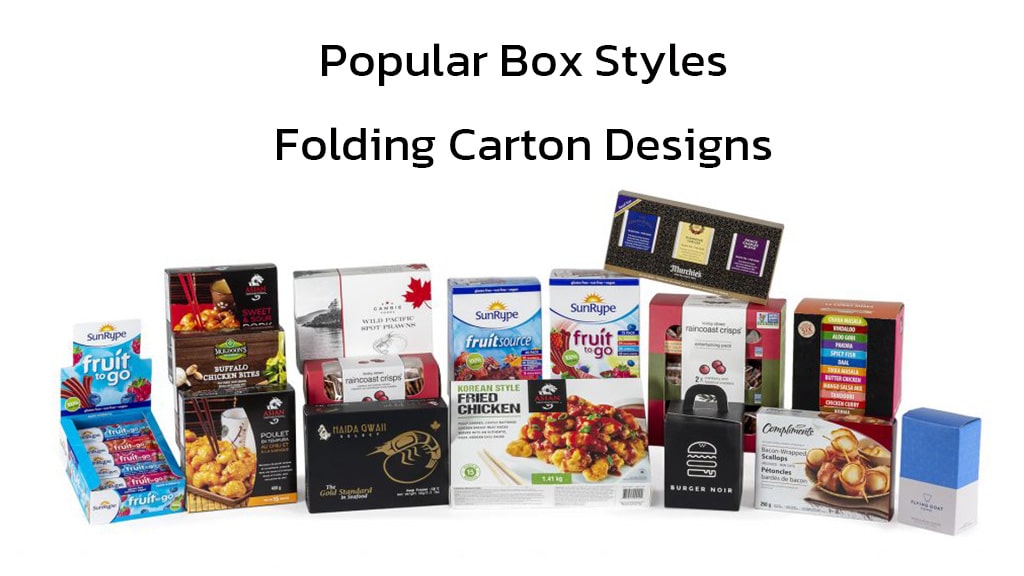
Table of Contents
When it comes to packaging consumer products, folding carton designs remain one of the most versatile, affordable, and brand-elevating formats on the market. From cosmetics and supplements to food, wine, electronics, and retail gifts — the right folding carton can improve shelf impact, reduce manufacturing cost, improve shipping efficiency, and elevate the perceived value of the product.
In this guide, we break down the most common folding carton structures, when to use each, and how to choose the right one for your brand.
A folding carton is a paperboard packaging box that is produced and shipped flat, then folded, tucked, or glued into its final 3D shape during the product filling process. Most cartons are made from paperboard stocks like SBS (Solid Bleached Sulfate), FBB (Folding Box Board), or specialty materials (like kraft paper, metallized board, etc.).
Why Folding Carton Designs Matter
The structure of your box isn't just about looks. It directly impacts:
Retail Shelf Presence: How your product is seen next to competitors.
Brand Perception: A flimsy box signals a cheap product.
Unit Cost: Complex designs use more material and machine time.
Automation Compatibility: Some styles are built for machines, others for human hands.
Unboxing Experience: The "reveal" of the product.
Sustainability: Material usage, efficiency, and recyclability.
A good design balances branding, product protection, and manufacturing efficiency.
The 8 Most Popular Folding Carton Designs
Here are the most common styles, what they are, and when to use them.
1. Straight Tuck End (STE)
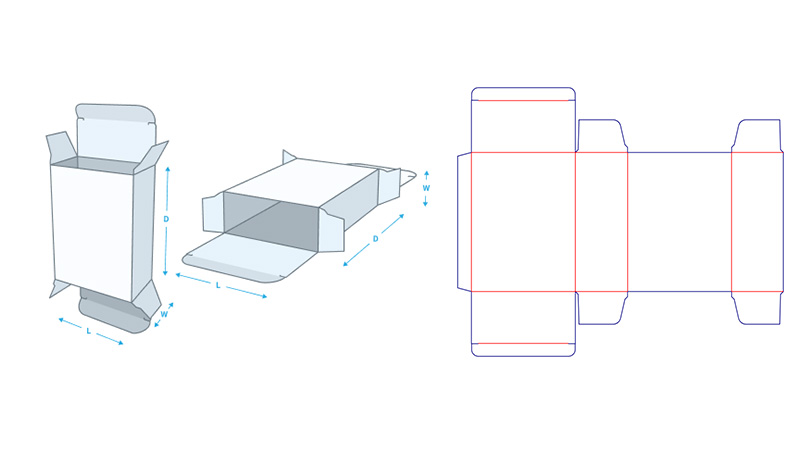
What It Is: A premium, classic box where both the top and bottom tuck flaps fold to the rear. This creates a completely clean, seamless front "face" for your branding, with no visible edges.
Best for: Luxury cosmetics, skincare, supplements, vape packaging, or any product where a high-end shelf presence is key.
Pros: Creates the cleanest "billboard" for your brand; feels premium.
Cons: Slightly less economical to die-cut than an RTE; assembly is manual.
2. Reverse Tuck End (RTE)
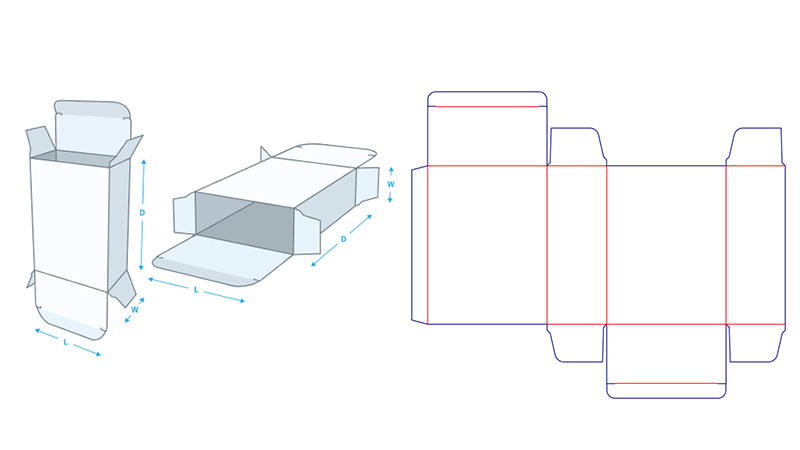
What It Is: The industry workhorse. The top tuck flap folds to the rear, and the bottom tuck flap folds to the front. This 'reverse' layout allows the dielines to be "nested" tightly on a press sheet, reducing paper waste.
Best for: Almost any lightweight product: pharmaceuticals, supplements, hardware, food, or mass-market SKUs.
Pros: The most cost-effective and material-efficient design; fast to assemble.
Cons: Less 'premium' look as the front panel has a visible tuck edge at the bottom.
3. Snap Lock Bottom (1-2-3 Bottom)
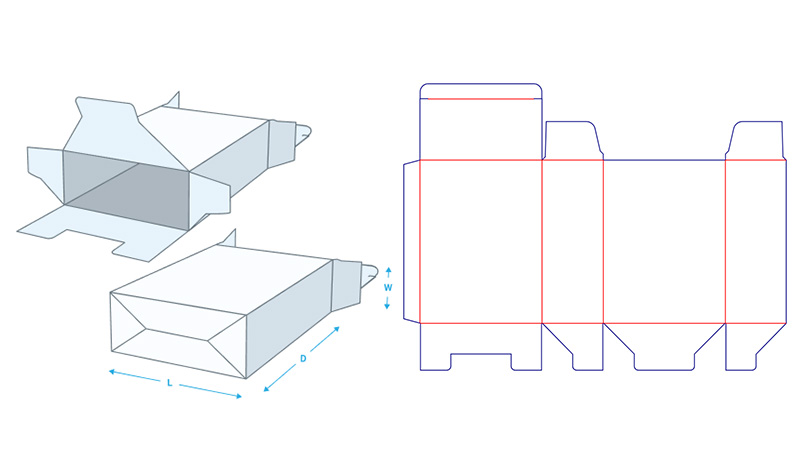
What It Is: A tuck-top carton with a secure, non-glued bottom. The user assembles it by folding and locking four flaps in a '1-2-3' sequence to form a strong base.
Best for: Heavier items like glass jars, candles, bottles, mugs, or small hardware that need more support than a tuck end.
Pros: Strong, reinforced base that can hold significant weight without glue.
Cons: Slower manual assembly than other types; more complex to fold correctly.
4. Crash Bottom / Auto-Lock Bottom
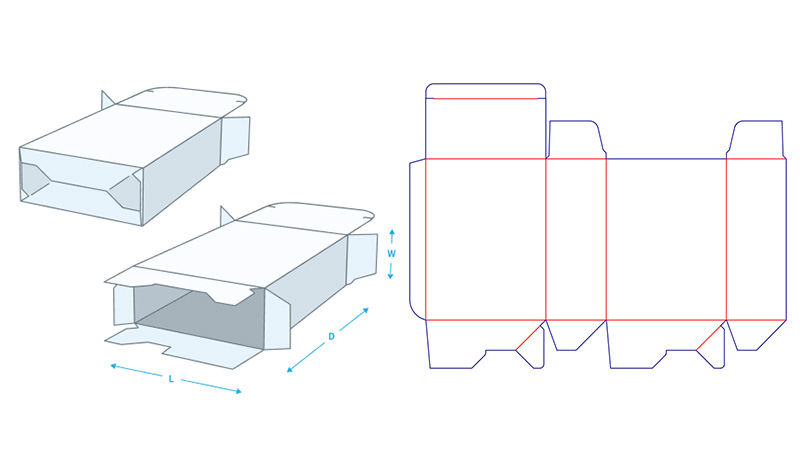
What It Is: The fastest-to-assemble carton. The bottom is pre-glued in a complex way that allows it to automatically "pop" into its locked, flat position when the box is squared open.
Best for: High-volume fulfillment, e-commerce, or any time you need to reduce manual labor costs.
Pros: Extremely fast assembly (reduces labor); very strong, reliable base.
Cons: More complex and slightly more expensive to manufacture.
5. Seal End Carton
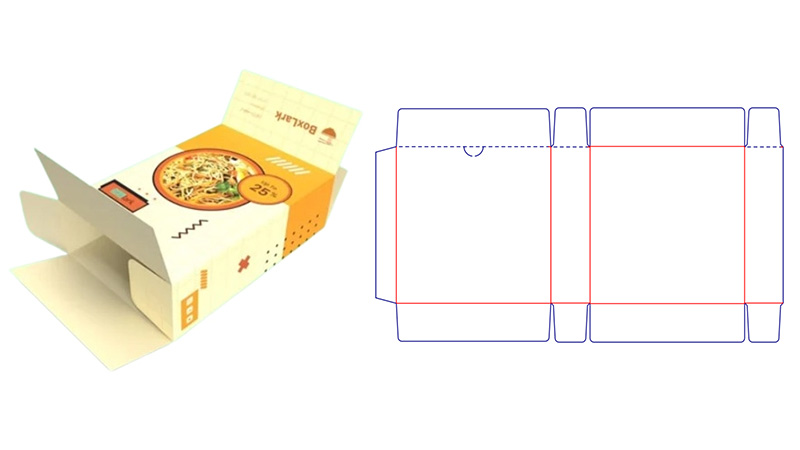
What It Is: A carton with no tuck flaps. Both ends (or just one) are sealed shut with glue by an automated machine. This is the box style used for most cereal and snack foods.
Best for: Food products (cereals, snacks, frozen food), powders, or anything requiring high-speed, automated filling.
Pros: Tamper-evident; most efficient style for high-speed automation.
Cons: Requires a sealing machine (not for manual assembly); must be torn open by the user.
6. Hang Tab Carton
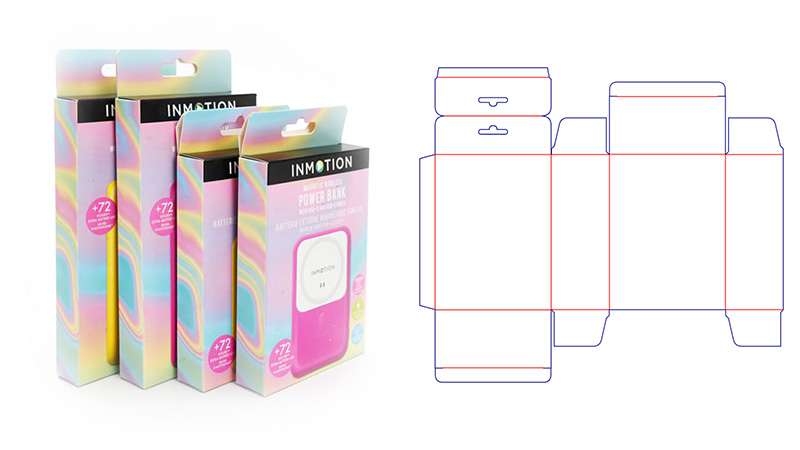
What It Is: Any carton (usually an STE or RTE) that includes a built-in hang tab (either a 'sombrero' or round hole) or a separate, glued-on 'delta' hang tab.
Best for: Small, lightweight retail items: cosmetics, beauty tools, personal care, electronics accessories.
Pros: Designed specifically for retail peg displays.
Cons: Only suitable for light products; requires extra structural testing to prevent tearing.
7. Gable Top / Handle Carton
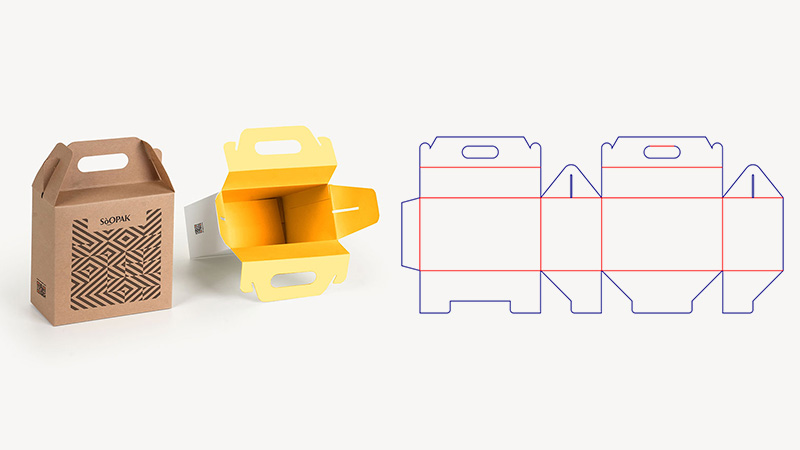
What It Is: A distinctive carton with a 'rooftop' shape that seals at the top and forms a built-in carry handle.
Best for: Gift packaging, food gifting, bakery items, drink mixes, or kid's products.
Pros: Looks 'giftable' and premium; handle adds portability.
Cons: Less space-efficient to pack and ship; more complex die.
8. Sleeve Carton (Tray and Sleeve)
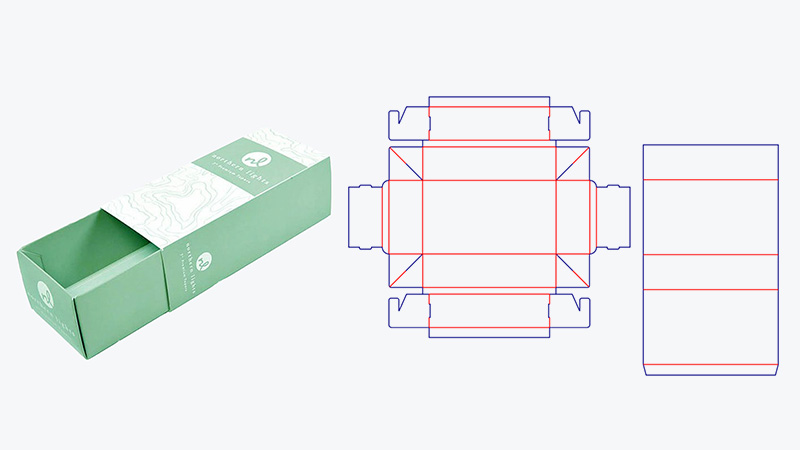
What It Is: A two-piece design featuring an inner tray that holds the product and an outer paperboard sleeve that slides over it for branding.
Best for: Premium unboxing experiences: chocolate sets, fragrance gift boxes, premium liquor, electronics.
Pros: Creates a high-end 'reveal' experience; tray can be a different color/material.
Cons: Two-piece construction means higher cost and slower assembly.
How to Choose the Right Folding Carton Design
Use this table to make a quick decision based on your product's needs.
|
Decision Factor |
What to Ask |
Recommended Styles |
|---|---|---|
|
Product Weight |
Is the product 100g or 1kg? |
Light: STE, RTE. Heavy: Snap Lock, Auto-Lock. |
|
Retail Method |
Shelf display, peg hook, or eCommerce? |
Shelf: STE. Peg: Hang Tab. eCommerce: Auto-Lock, RTE. |
|
Automation |
Manual filling or automated filling? |
Manual: RTE, Snap Lock. Auto: Auto-Lock, Seal End. |
|
Brand Positioning |
Minimal & sleek or luxurious? |
Minimal: RTE. Premium: STE, Sleeve, Gable Top. |
|
Fulfillment |
Is speed or cost the priority? |
Speed: Auto-Lock. Low Cost: RTE. |
Pro-Tips for Folding Carton Designers
Get the Dieline First: Never start designing your graphics until you have the final, approved 2D dieline from your printer.
Respect the "No-Go" Zones: Keep critical logos, text, and barcodes away from tuck flaps, glue flaps, and deep score lines where they could be obscured or cracked.
Understand Your Panels: Know which panel is the "Primary Display Panel" (front), which is the back, and how the top and bottom will be seen on a shelf.
Design for the "Unboxing": Think about the customer's experience. Can you add a printed message on an inner flap?
Bleed is Not Optional: Add at least 1/8" (3mm) of bleed (extending your art beyond the cut line) to all art that touches the edge of the dieline.
Popular Finishes to Upgrade Your Carton
Once you have your structure, you can elevate it with finishes like:
Hot Foil / Cold Foil
Spot UV
Embossing / Debossing
Soft-touch or Matte Lamination
Metallic or Holographic Paperboard
Natural Kraft Paper (for an eco-look)
FAQs
A folding carton design refers to the structural style of a paperboard box used for packaging. It defines how the carton is cut, folded, and assembled — affecting both appearance and functionality.
The most common folding carton types include Straight Tuck End (STE), Reverse Tuck End (RTE), Snap Lock Bottom, and Auto-Lock (Crash) Bottom cartons. Each is suited for different product weights and packaging methods.
A Straight Tuck (STE) has both top and bottom flaps folding in the same direction (usually to the back), creating a cleaner front display for luxury items. A Reverse Tuck (RTE) has flaps folding in opposite directions, which is more material-efficient and cost-effective.
Snap Lock Bottom and Auto-Lock (Crash) Bottom cartons are best for heavier products like candles, glass jars, or small electronics. They have reinforced bases for extra strength and stability that a simple tuck end lacks.
Yes. Folding cartons are ideal for full customization. They can be printed with CMYK or Pantone colors and enhanced with finishes like hot foil stamping, embossing, spot UV, and specialty laminations.
Yes. Most folding cartons made from paperboard are 100% recyclable. According to data from the EPA (Environmental Protection Agency), paper and paperboard have one of the highest recycling rates of any material. To ensure full recyclability, avoid non-paper additions like plastic windows or certain laminations.
Consider your product’s weight, size, retail display method (shelf or peg), filling process (manual or machine), and branding goals. A packaging manufacturer can recommend the best structure after reviewing your sample or specifications.
Final Thoughts
The best folding carton design is not "the most common" — it’s the one optimized for your product weight, retail method, and brand experience. Choosing a Straight Tuck for its looks when you have a heavy product will fail, just as choosing an Auto-Lock for a small, hand-packed run is inefficient.
If you’re unsure which structure or finish is best, our team can recommend the most efficient and cost-effective style for your product. Contact us today for a free consultation, a custom quote, and a 2D dieline to start your design.
Need a Custom Packaging?
Get a Free Quote Today!