

9 Essential Types of Paper for Packaging (2025 Guide)
- Written by: Dauxin Team
- Last Updated: November 9, 2025
Table of Contents
In the world of packaging, "paper" is not a single material. It's a vast category, from the thin paper used for a catalog to the rigid board that forms a gift box.
Choosing the wrong material is one of the main reasons packaging looks cheaper than intended, fails during shipping, or costs more to produce than it should.
This guide breaks down the 9 core types of paper for packaging, covering everything from retail cartons to shipping boxes. With real production insight from Dauxin, we'll help you select the right material for your brand.
Paper, Paperboard and Cardboard: What's the Difference?
efore we list the types, let's clear up the confusion. These terms are often used interchangeably, but they mean different things.
Paper: This is the most general term. In packaging, it often refers to thinner, flexible materials like catalog paper (for wraps) or kraft paper (for bags).
Paperboard: This is a thick, stiff paper-based substrate used for folding cartons and premium packaging. SBS, Duplex, and Kraft Board are all types of paperboard.
Cardboard: This is a non-technical, catch-all term. Most people use it to mean Corrugated Board (shipping boxes) or Grey Chipboard (rigid box cores). For professional packaging, it's always better to use the specific, technical term.
The 9 Types of Paper for Packaging
We can group the main types of paper for packaging into a few key categories.
Group 1: Folding Carton Boards (Retail)
These are the "workhorse" materials used to create the folding boxes you see on retail shelves.
1. SBS / FBB (Premium White Cardstock)
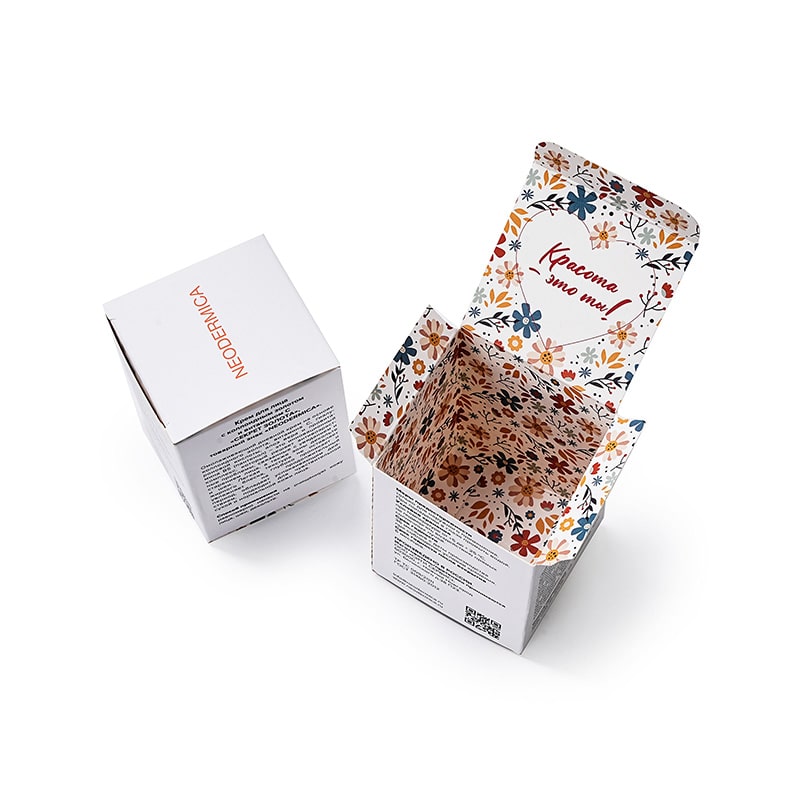
This is the most common “premium” paperboard grade. It includes SBS (Solid Bleached Sulphate) and FBB (Folding Box Board), which are related white virgin fiber boards.
Why brands choose it:
Best-in-class print quality and surface smoothness.
Clean white base for bright, accurate colors.
Consistent, dense surface for crisp foil stamping & embossing.
Conveys a "clean luxury" or "premium" feel.
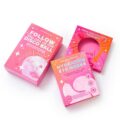
Typical uses: Beauty/skincare, electronics accessories, pharmaceutical, premium retail cartons and retail paper bags.
Production Note: In our experience at Dauxin, this is the most popular choice for brands that want a high-end feel without relying on metallic effects.
2. Kraft Paperboard
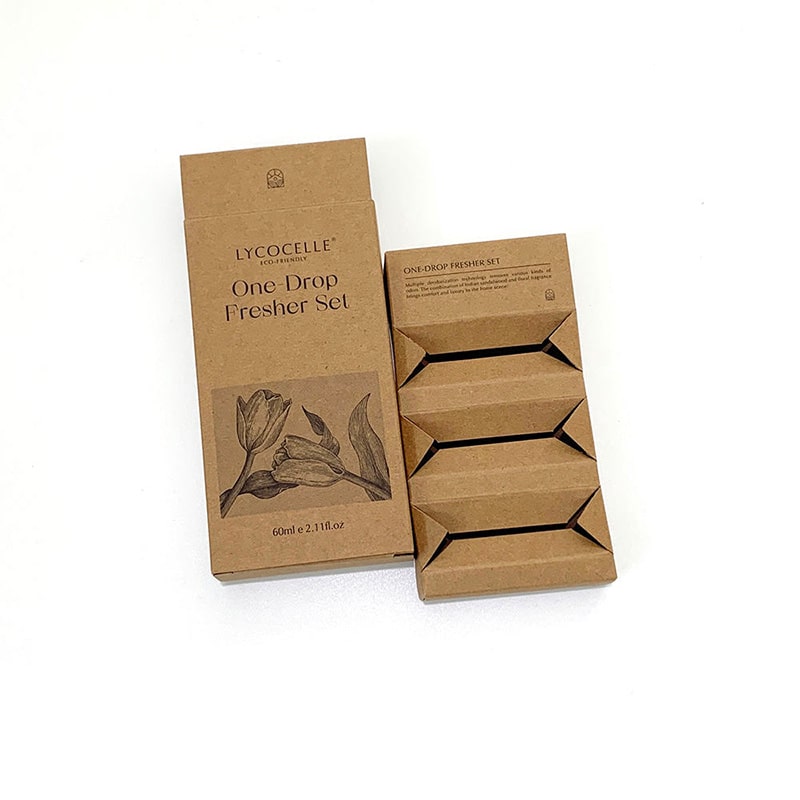
Kraft board has a natural, brown fiber look and is known for its strength.
Why brands choose it:
Instantly signals sustainability and an eco-friendly ethos.
Works perfectly for organic, handmade, or eco-oriented positioning.
Taps into the rugged, earthy, and natural luxury trend.
Typical uses: Soaps, natural skincare, artisanal foods, CBD products, and eco-conscious brands.
Production Note: Kraft is more porous than SBS. While it can be foil-stamped, it is less suitable for very fine, detailed metallic designs.
3. Duplex Board (White-Coated Recycled)
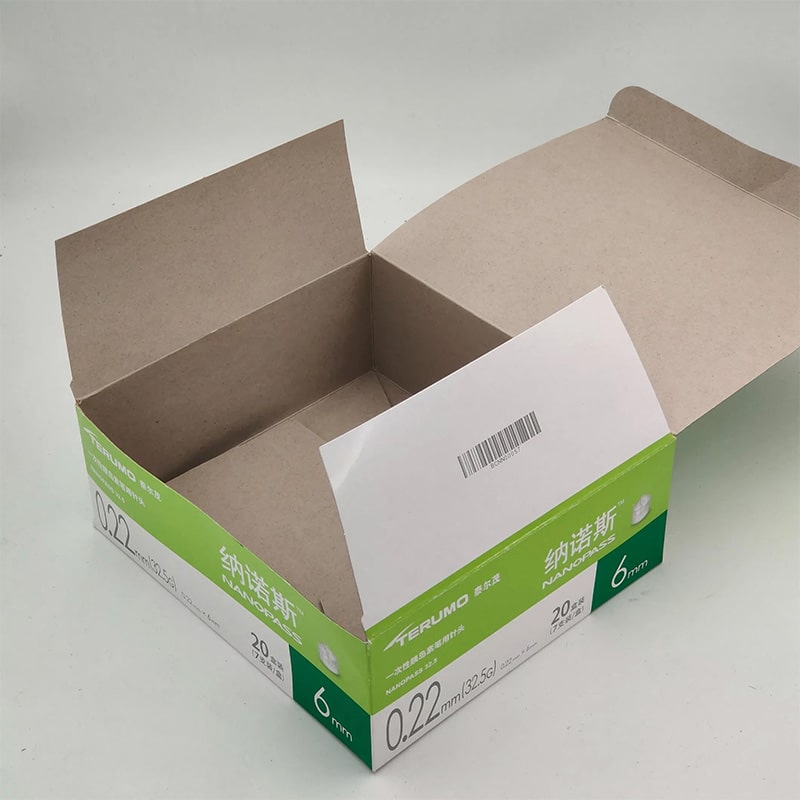
Duplex board is white and coated on the outside, but gray or off-white on the inside (made from recycled pulp).
Why brands choose it:
Lower cost than virgin fiber boards like SBS.
Good print surface on the front (C1S - Coated One Side).
High-volume friendly; a workhorse for mass-market goods.
Typical uses: Toothpaste boxes, pharmacy cartons, cereal boxes, mass-market FMCG.
Production Note: When a buyer says, “I just need it to look clean on the shelf but don't need luxury,” — duplex is usually the correct answer.
Group 2: Structural & Shipping Boards
These materials are chosen for their strength, rigidity, and ability to protect the product.
4. Corrugated Board
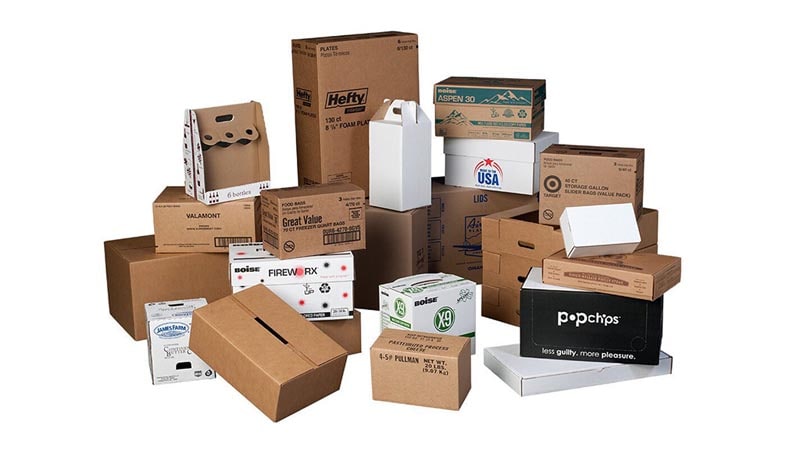
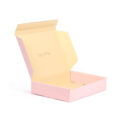
This is what most people call "cardboard." It's made of three layers of paper: an outside liner, an inside liner, and a wavy "fluted" medium in between, which gives it strength.
Why brands choose it:
Excellent strength-to-weight ratio for shipping.
Superior cushioning and impact protection.
Widely recyclable and cost-effective for shippers.
Typical uses: Shipping boxes, e-commerce mailers, structural inserts, and some types of retail displays (with a high-quality print).
5. Grey Chipboard (Rigid Box Core)
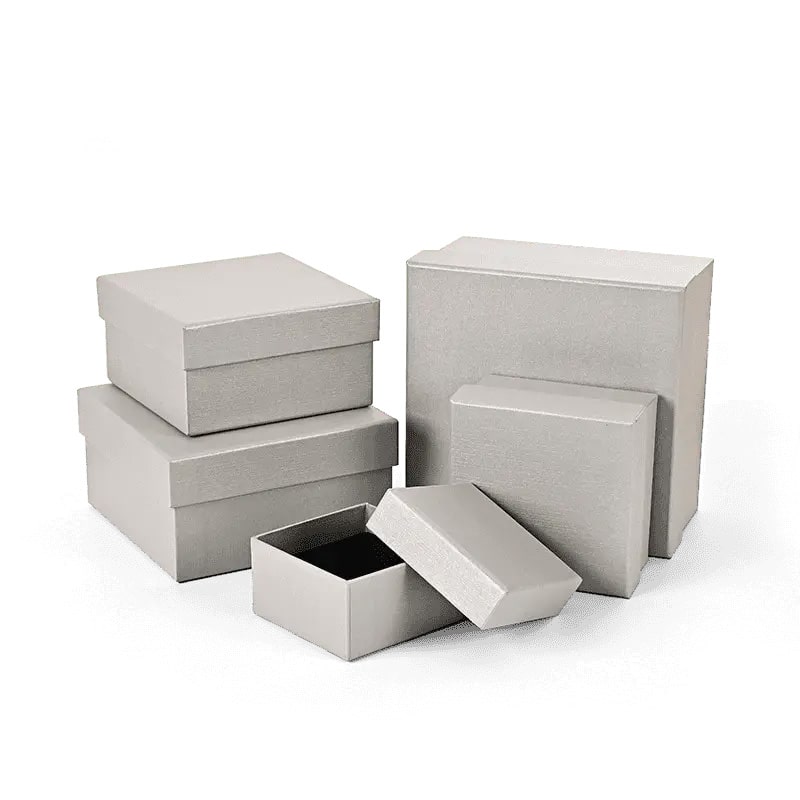
Grey chipboard is a thick, dense board made from 100% recycled fiber.
Why brands choose it:
Maximum stiffness and rigidity.
Highest crush resistance for product protection.
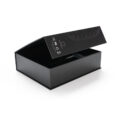
Essential for creating premium rigid (set-up) box structures.
Typical uses: Phone boxes, luxury gift sets, jewelry boxes, and board game boxes.
Key Distinction: This is a structural board, not a print substrate. It is almost always wrapped with a printed paper (like #9, Coated Art Paper) or a specialty material.
Group 3: Specialty & Luxury Finishes
These materials are chosen for their extreme visual impact and shelf presence.
6. Metallic Paperboard
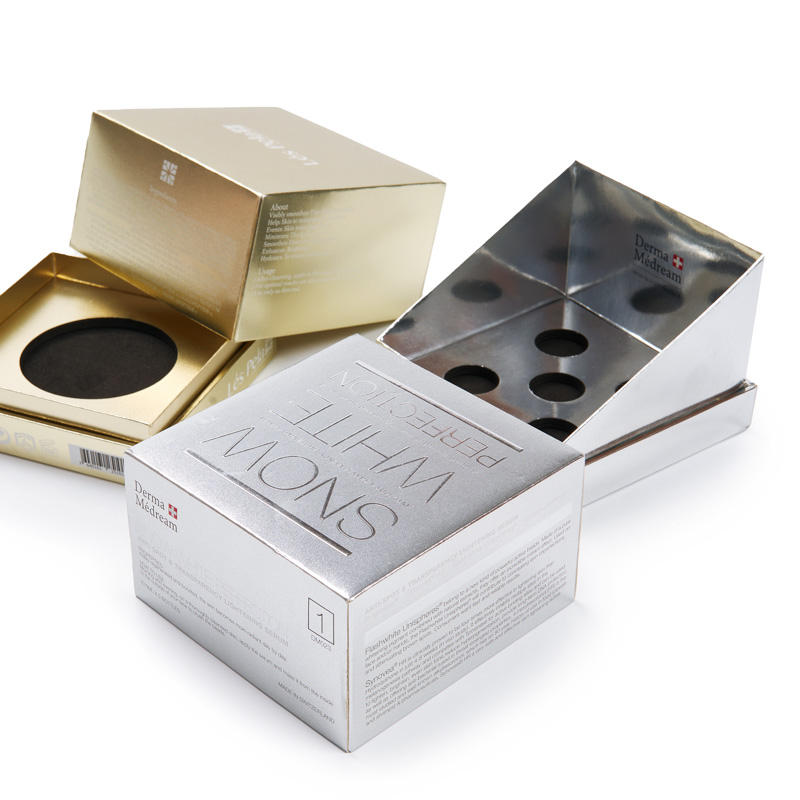
This is a paperboard that has been pre-laminated with a layer of metallic or reflective film.
Why brands choose it:
Achieves an all-over metal effect without the cost of full-surface foil stamping.
Extreme shelf impact and visual "pop."
Immediately boosts luxury perception.
Typical uses: Cosmetics, perfume, spirits, and seasonal gift packaging.
Production Note: You print directly on top of the metallic surface. This allows for unique "knockout" effects where the ink is absent, letting the pure metal shine through.
7. Pearlescent Paper (Pearl Paper)
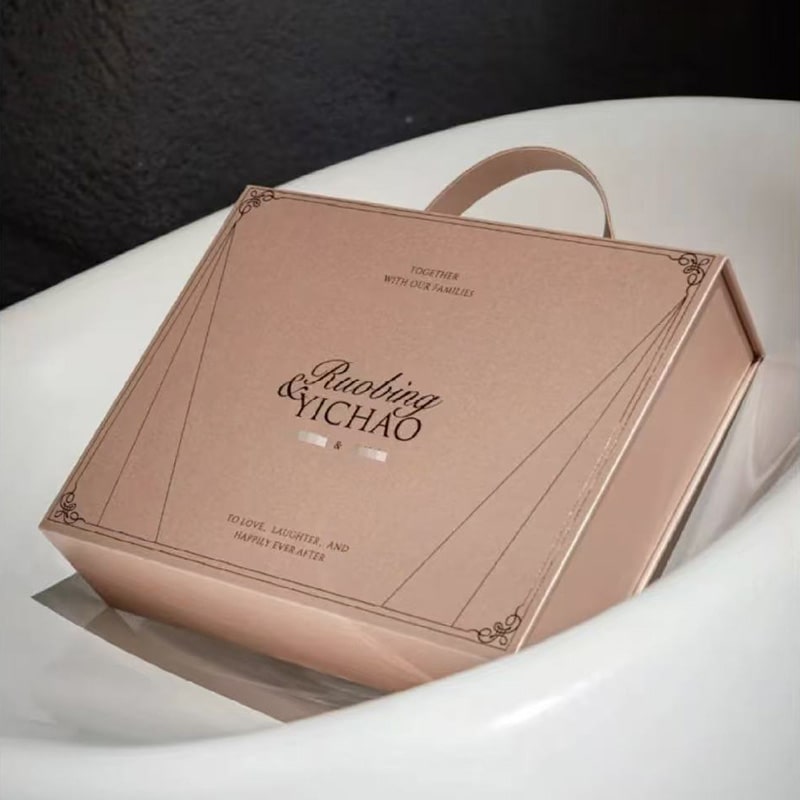
This is a specialty paper or board that has iridescent, "shimmer" particles embedded in its coating, giving it a subtle, pear-like luster.
Why brands choose it:
Creates a subtle, sophisticated shimmer that looks high-end.
More "elegant" and "soft" than the high-shine of metallic paper.
The shimmer changes and catches the light as the box is turned.
Typical uses: Wedding-related packaging, high-end cosmetics, perfume, and luxury "unboxing" experiences where elegance is key.
8. Holographic Paperboard
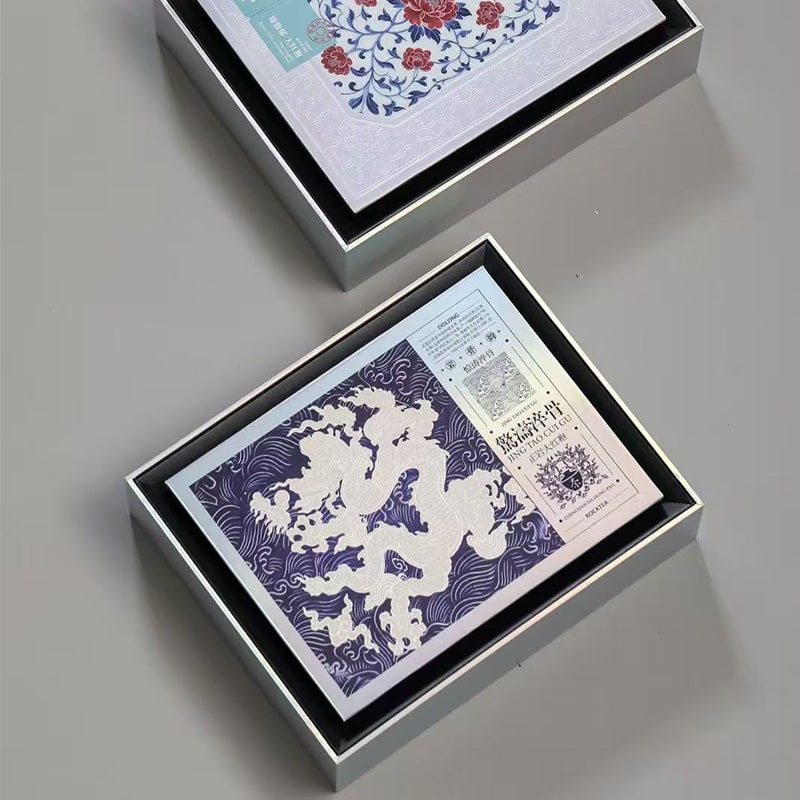
Similar to metallic board, this paperboard is laminated with a diffraction holographic film that scatters light.
Why brands choose it:
Instant, powerful attention-grabber.
Perfect for limited-edition drops and special releases.
High conversion in busy retail displays.
Typical uses: Premium cosmetics, electronics accessories, vape packaging, and holiday SKUs.
Group 4: Specialty Wraps & Papers
This material isn't a board itself, but it's a critical type of paper for premium packaging.
9. Coated Art Paper (C1S / C2S)
While technically a heavy paper (e.g., 120gsm-200gsm) rather than a board, it is an essential component in premium paperboard packaging.
It is not used as a structural material, but as the premium printed wrap that is laminated onto Grey Chipboard (#5) to create rigid boxes.
Why brands choose it:
The absolute smoothest, highest-fidelity print surface.
Perfect for photo-realistic images, complex gradients, and luxury book/catalog covers.
The standard for wrapping rigid "gift box" style packaging.
Flawlessly accepts all finishes (gloss/matte lamination, foil, varnish).
Typical uses: The outer printed wrap for rigid boxes (phones, gift sets), luxury hardcover book covers, high-end catalogs.
How to Choose the Right Paper for Packaging
Here's a simple rule of thumb:
Premium white/color folding box → SBS / FBB
Eco-first brand identity → Kraft
Scale and budget efficiency → Duplex
E-commerce / shipping box → Corrugated Board
Rigid gift box structure → Grey Chipboard
High-shine, maximum "pop" → Metallic / Holographic
Elegant, subtle shimmer → Pearlescent Paper
Photo-rich rigid box wrap → Coated Art Paper
At Dauxin, we always recommend starting with the brand positioning storyboard FIRST — THEN selecting the material.
Wrong way: Pick material based only on cost.
Right way: Pick material based on the desired brand experience and manufacturing realities.
FAQs
Paper is a general term, often referring to thinner materials (like 150gsm) used for wraps or bags. Paperboard is a thick, stiff paper (e.g., 300gsm) used for folding cartons like SBS or Kraft. Cardboard is a non-technical term; most people mean Corrugated Board (shipping boxes) or Grey Chipboard (rigid box cores).
For folding cartons, SBS/FBB and specialty papers (Metallic, Pearlescent) are top choices. For rigid gift boxes, the luxury comes from the combination of Grey Chipboard (#5) and a Coated Art Paper wrap (#9).
A metallic paper has a high-shine, reflective, mirror-like finish. A pearlescent paper has a subtle, iridescent shimmer that provides a softer, elegant luster. Think of it as "chrome" vs. "pearl."
Yes — uncoated kraft paperboard is one of the most widely recycled and compostable packaging materials.
Use Corrugated Board for shipping and e-commerce boxes that need to be lightweight but strong and protective. Use Grey Chipboard as the dense, rigid structural core for high-end luxury gift boxes (which are then usually placed inside a corrugated shipper).
SBS (#1) is a paperboard. It's thick and stiff enough to be made directly into a folding box. Coated Art Paper (#9) is a thinner paper used as a wrap. It is glued onto Grey Chipboard (#5) to create a rigid box.
SBS / FBB (cardstock) is ideal for foil stamping and deep embossing on folding cartons. For rigid boxes, Coated Art Paper also accepts foil and embossing perfectly before it is wrapped.
Higher GSM (Grams per Square Meter) or caliper (thickness) generally increases stiffness and protection. Folding cartons commonly range from 250–500gsm; grey chipboard for rigid boxes typically exceeds 600gsm.
Final Thought
Paper choice is NOT decoration — it IS the brand.
If you want packaging that genuinely looks premium, feels premium, and performs properly in manufacturing and shipping: choose your paper intentionally, not casually.
Need a Custom Packaging?
Get a Free Quote Today!