


What Is Offset Printing? And How Does It Work? (Complete 2026 Guide)
- Written by: Dauxin Team
- Last Updated: December 14, 2025
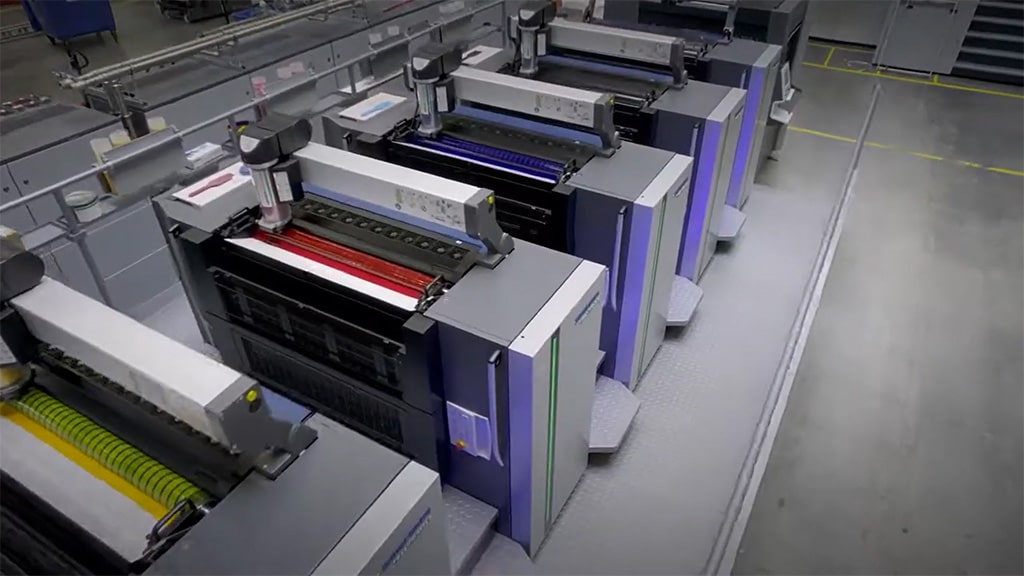
Table of Contents
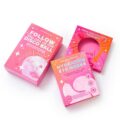
Offset printing is the backbone of the global printing industry. From the glossy magazines on your coffee table to the vibrant custom packaging boxes protecting your favorite products, offset printing has been the gold standard for commercial printing for over a century.
But with the rise of digital printing, many business owners and packaging buyers are asking: Is offset printing still relevant in 2026?
The short answer is yes. If you are looking for high-volume production, unbeatable color accuracy, and premium quality, offset remains the superior choice.
Whether you are a designer, a procurement manager, or working with a manufacturer like Dauxin, this guide breaks down exactly what offset printing is, how the technology has evolved for 2026, and when you should use it for your next project.
What Is Offset Printing? (The Simple Definition)
Offset printing (or offset lithography) is a commercial printing technique where an inked image is transferred (or "offset") from a metal plate to a rubber blanket, and then finally onto the printing surface (paper, cardboard, or plastic).
Unlike digital printing, which sprays ink directly onto paper, offset printing uses an indirect method. This "offset" transfer is crucial because it reduces wear on the printing plate, allowing for consistent, high-quality images over print runs of 100,000+ copies.
Why is it the "Gold Standard"?
Crisp Typography: No fuzzy edges on small text.
Rich Blacks: Deep, solid colors that digital printers often struggle to match.
Material Versatility: Perfect for rigid boxes, folding cartons, and textured stock
How Offset Printing Works: A Step-by-Step Process
Although modern offset presses are massive, computerized machines, the underlying science relies on a simple principle: oil and water do not mix.
Here is the step-by-step breakdown of how a design moves from your computer screen to a finished package.
1. Pre-Press: The Setup
Before a single sheet is printed, the design file is separated into four primary colors: Cyan, Magenta, Yellow, and Black (CMYK).
Plates: A custom aluminum plate is laser-etched for each color.
Hydrophilic vs. Hydrophobic: The image area on the plate involves a chemical coating that attracts oily ink. The non-image area attracts water.
2. Inking and Dampening
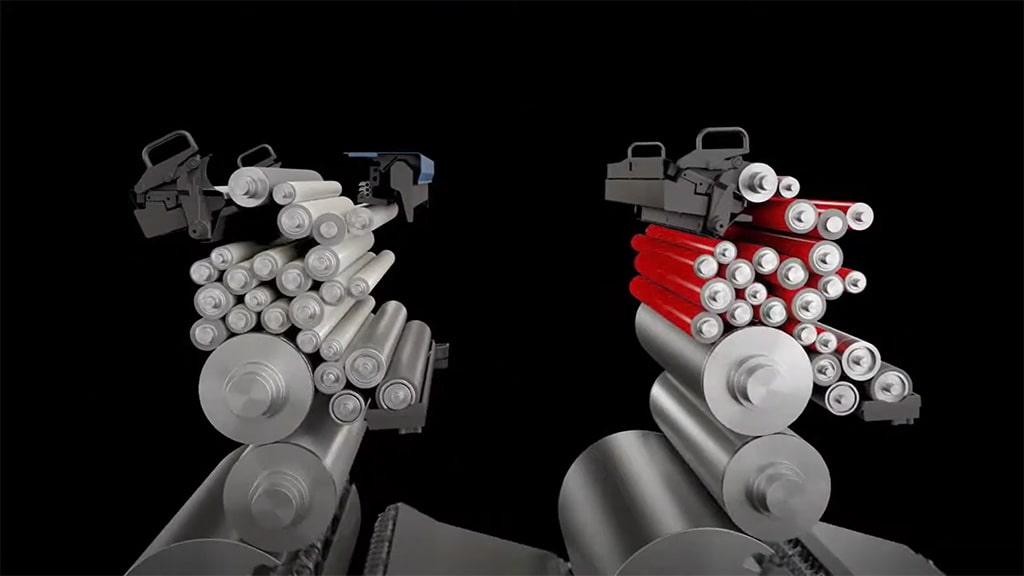
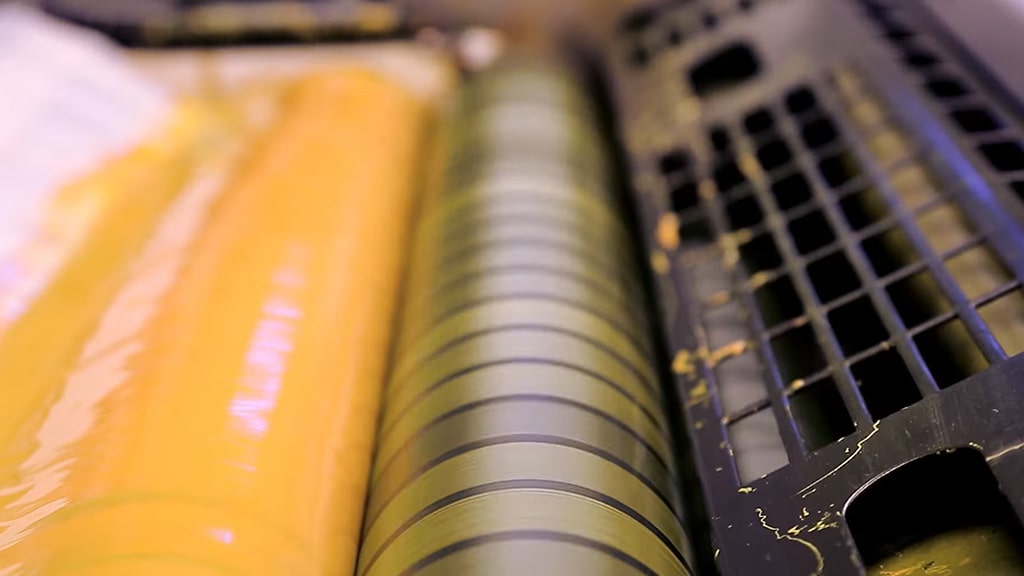
Inside the press, the plate cylinder rotates.
Dampening rollers apply a water-based solution that sticks only to the non-image areas.
Inking rollers apply oil-based ink, which sticks only to the image areas.
- Result: You have a perfect layer of ink on the plate, with clean whitespace maintained by the water.
3. The Offset Transfer (Plate → Blanket → Paper)
This is the defining step. The metal plate does not touch the paper. Instead:
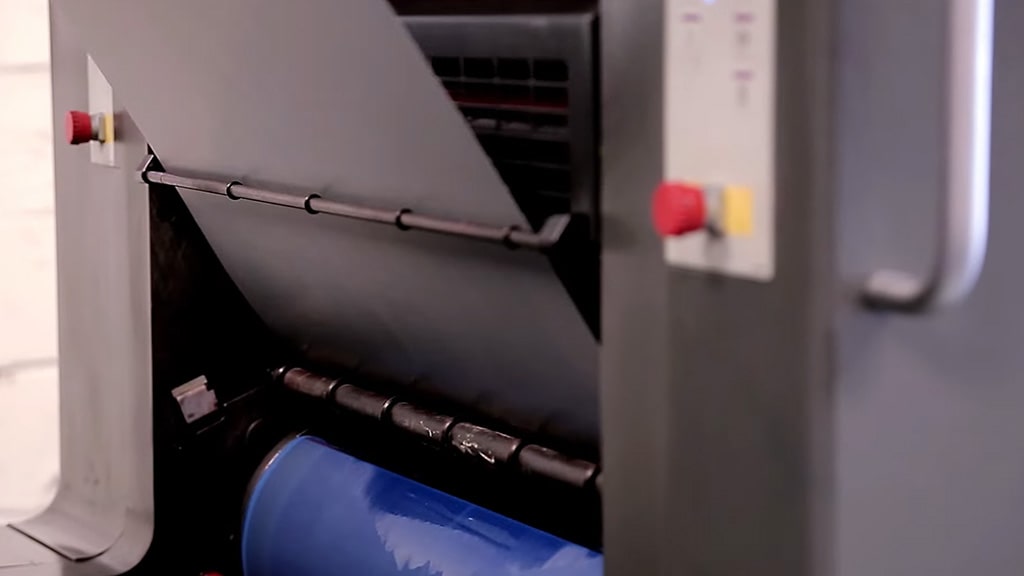
The plate transfers the inked image onto a rubber blanket cylinder.
The soft rubber blanket presses the image onto the paper or packaging board.
This rubber layer allows for printing on rough or textured surfaces (like canvas or kraft board) without losing detail.
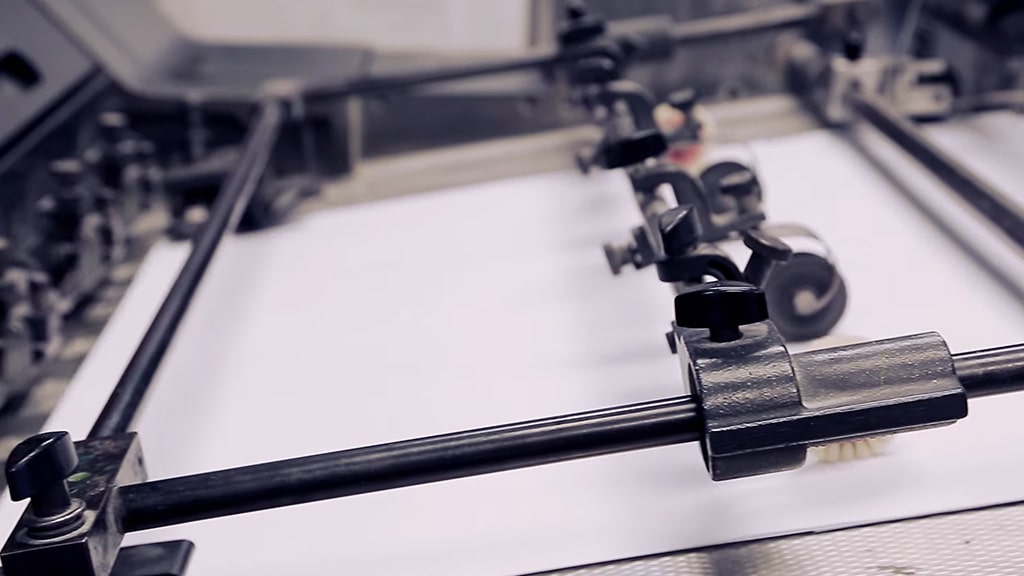
4. Color Building (Registration)
The paper passes through four different units (C, M, Y, K). The press aligns these layers with microscopic precision—known as registration. When perfectly aligned, the tiny dots of color blend to the human eye to create full-color photography and complex gradients.
Offset vs. Digital Printing: The 2026 Comparison
This is the most common question we get at Dauxin. Which one is right for you?
|
Feature |
Offset Printing |
Digital Printing |
|---|---|---|
|
Best For |
High volume (1,000+ units), Packaging, Magazines |
Short runs, Flyers, Urgent prototypes |
|
Setup Cost |
High (Requires plates & setup) |
Low (No plates needed) |
|
Cost Per Unit |
Decreases as volume increases |
Stays the same per unit |
|
Color Accuracy |
Superior (Pantone matching available) |
Good (Approximation of CMYK) |
|
Material Options |
Endless (Paper, Cardboard, Plastic, Metal) |
Limited (Heat-sensitive materials can fail) |
|
Speed |
Slow setup, lightning-fast production |
Fast setup, slower production |
The Verdict:
Choose Digital for: 500 flyers, personalized wedding invites, or a single prototype box.
Choose Offset for: 5,000 retail packaging boxes, brand catalogs, or any project where specific brand colors (Pantone) must be exact.
The "Secret" Weapon: Pantone (PMS) vs. CMYK
One major reason brands choose offset printing is Color Fidelity.
Digital printers are generally limited to CMYK (mixing four colors to guess the right shade). However, offset printing allows for Spot Colors using the Pantone Matching System.
If your brand logo is a very specific shade of "Coca-Cola Red" or "Tiffany Blue," CMYK might look dull or inconsistent. With offset printing, we can mix a bucket of ink to that exact color formula before putting it in the press. This ensures your packaging looks identical whether it's printed in New York, London, or at the Dauxin facility.
Sustainability: Why Offset is the "Green" Choice in 2026
ou might think digital is greener because it uses no plates. However, for large manufacturing runs, offset printing is often more sustainable.
Vegetable-Based Inks: Modern offset inks are increasingly soy- or vegetable-based, which emit fewer Volatile Organic Compounds (VOCs) than traditional petroleum inks.
Less Waste Per Unit: Once an offset press is running, it is incredibly efficient. Printing 10,000 boxes digitally would require significantly more energy and toner cartridges than a streamlined offset run.
Paper Recycling: Offset inks are easier to "de-ink" during the paper recycling process compared to the polymers used in digital toner/liquid ink.
When Should You Choose Offset Printing?
If you are developing a product line, here is your checklist. You should choose offset printing if:
✅ Quantity: You need more than 500-1,000 units.
✅ Quality: You need sharp, professional details and smooth gradients.
✅ Material: You are printing on heavy packaging board, textured cardstock, or synthetic materials.
✅ Branding: You need a specific Spot Color (Pantone) for your logo.
Conclusion
Offset printing remains the undisputed king of high-volume, high-quality manufacturing. Its ability to deliver cost-effective results at scale makes it the primary choice for the packaging industry.
At Dauxin, we understand that the print quality of your packaging is a direct reflection of your brand's value. Whether you need complex folding cartons or high-volume retail boxes, understanding the offset process helps you make smarter buying decisions.
Ready to start your next packaging project? Contact the Dauxin team today for a quote, and let us help you find the perfect balance between quality, volume, and cost.
Need a Custom Packaging?
Get a Free Quote Today!