

What is Digital Printing? Everything You Need to Know in 2026
- Written by: Dauxin Team
- Last Updated: December 14, 2025
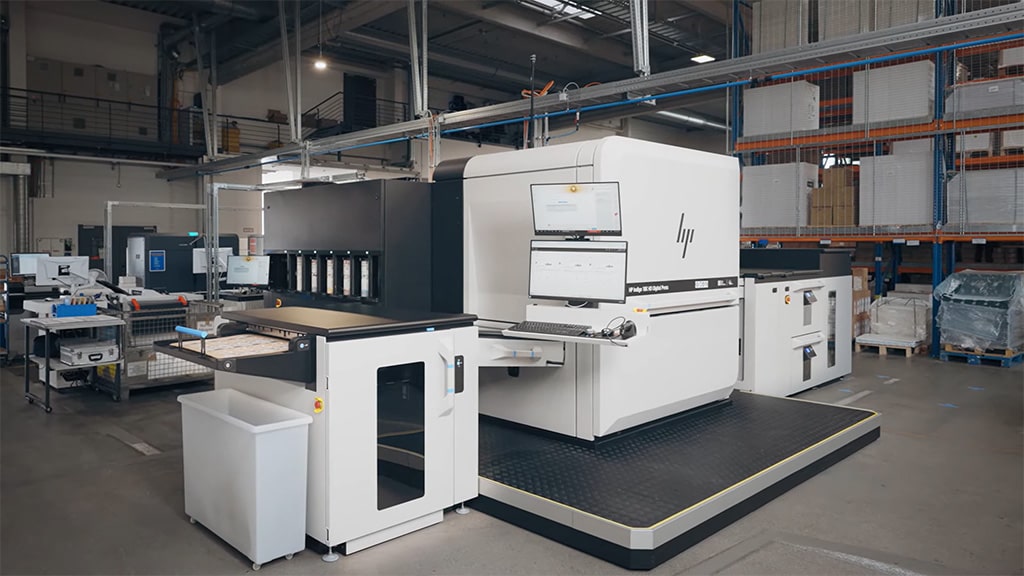
Table of Contents
Digital printing has revolutionized the manufacturing world, transforming how businesses produce packaging, labels, and marketing materials. But for many business owners, the technical jargon can be confusing.
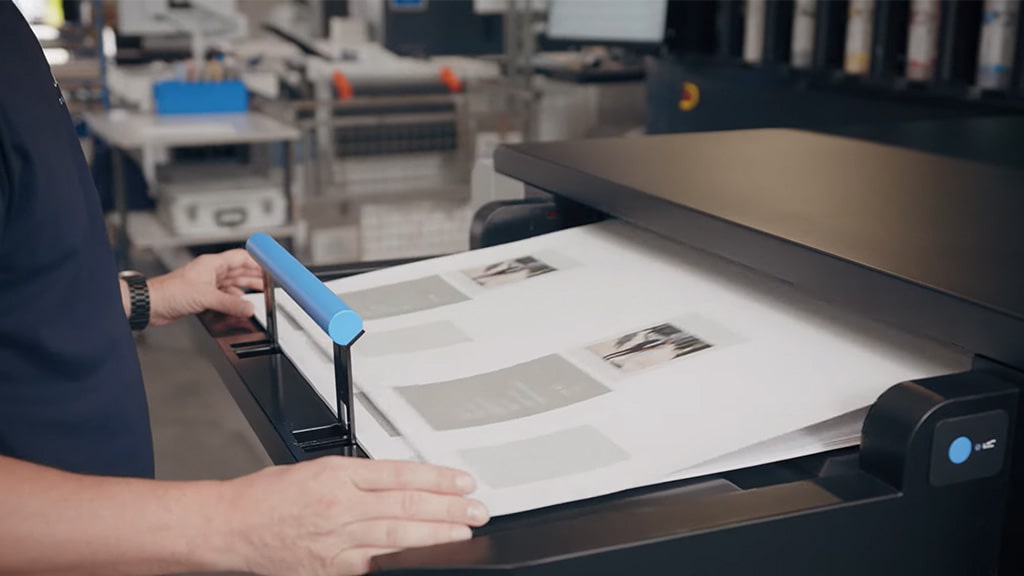
If you are looking for a clear definition, here it is: Digital printing is the process of printing digital-based images directly onto a variety of media substrates. Unlike traditional offset printing, there is no need for printing plates. Digital files (such as PDFs or desktop publishing files) are sent directly to the digital press to print on paper, photo paper, canvas, fabric, synthetics, cardstock, and other substrates.
In this guide, we will break down exactly how digital printing works, compare it to offset printing, and explain why it is the go-to solution for custom packaging, short runs, and prototypes.

How Does Digital Printing Work?
“Digital printing” isn’t just a single technology; it is an umbrella term for several methods that map a digital image file to a physical surface.
Unlike "analog" printing (like offset lithography or flexography), which requires the creation of physical metal plates to transfer ink, digital printing streamlines the process. You prepare your artwork, the Raster Image Processor (RIP) converts the file, and the machine prints immediately.
There are two primary technologies used in commercial digital printing:
1. Inkjet Printing
This is the most common form of digital printing for wide-format signage and short-run packaging. Inkjet presses propel tiny droplets of ink onto the paper or board to recreate the digital image.
Best for: High-quality signage, prototypes, corrugated boxes, and flexible packaging films.
Why use it: It is incredibly versatile and can print on a wide range of substrates, from thick cardboard to plastic.
2. Laser/Toner (Electrophotography)
Similar to an office laser printer but on a much larger and faster scale, these presses use electrostatic rollers (drums) to apply toner to the paper, which is then fused by heat.
Best for: Flyers, brochures, labels, and cardstock.
Why use it: It offers high-speed production for paper-based products and excellent text sharpness.
For a deeper dive into the technical standards of the industry, organizations like the Printing United Alliance provide extensive resources on how digital technologies are evolving.
Digital Printing vs. Offset Printing: Which Should You Choose?
The most common question we get at Dauxin is: "Should I use digital or offset printing?"
The answer depends entirely on your volume, timeline, and budget.
|
Feature |
Digital Printing |
Offset (Traditional) Printing |
|---|---|---|
|
Setup Costs |
Low: No plates required. Minimal setup fees. |
High: Requires metal plates and complex prepress setup. |
|
Minimum Order (MOQ) |
None/Low: Economical for 1 to 500 units. |
High: Usually requires 1,000+ units to be cost-effective. |
|
Turnaround Time |
Fast: Can often print same-day or next-day. |
Slower: Setup and drying time can take days. |
|
Customization |
High: Supports Variable Data Printing (VDP). |
Low: Every sheet must be identical per run. |
|
Color Accuracy |
Excellent (uses CMYK), but Pantone matching is simulated. |
Superior accuracy (uses true Pantone spot inks). |
The Verdict:
Choose Digital when you need short runs (e.g., 500 boxes), urgent delivery, personalization, or prototypes.
Choose Offset when you are printing massive quantities (e.g., 10,000+ units) where the lowest price per unit is the priority.
Why Digital Printing is a Game-Changer for Packaging
For packaging specialists and brands, digital printing offers specific advantages that traditional methods simply cannot match.
1. Low Minimum Order Quantities (MOQs)
In the past, ordering custom boxes meant committing to thousands of units to justify the plate costs. Digital printing eliminates this barrier. Brands can now order 50 or 100 boxes for a product launch or a seasonal campaign without breaking the bank.
2. Rapid Prototyping
Before you commit to a full production run, you need to know what the final product feels like. Digital printing allows you to produce a single "hard proof"—a physical sample of your packaging—to check the structure, color, and fit.
3. Variable Data Printing (VDP)
This is a unique superpower of digital printing. Because there are no fixed plates, every single sheet printed can be different.
Example: You can print 1,000 labels where every label has a unique serial number, QR code, or even a different customer name, all in one continuous print run.
4. Supply Chain Agility
Digital printing supports "Just-in-Time" manufacturing. Instead of storing thousands of boxes in a warehouse (risking damage or obsolescence), you can print smaller batches on demand. This reduces inventory costs and waste.
Limitations: When Digital Might Not Be Right
While digital technology is advanced, transparency is key. There are two main scenarios where offset or hybrid printing might be better:
Specific Substrates: While digital is versatile, certain heavily textured materials or extremely thick boards may still run better on offset or flexo presses.
Pantone Perfection: If your brand requires a specific Pantone color (e.g., Tiffany Blue) to be 100% exact, offset printing uses pre-mixed ink which is slightly more accurate than the CMYK simulation used in digital printing.
Practical Design Tips for Digital Print Jobs
To get the best results from your digital print provider, keep these three tips in mind:
File Format: Always submit high-resolution PDFs with proper bleed (usually 3mm) and trim marks.
Color Profile: Ensure your design is in CMYK mode, not RGB. Digital presses print in CMYK, and converting RGB files can result in color shifts.
Finishing: Digital prints can still be finished beautifully. Ask about "hybrid" options—combining digital printing with foil stamping, spot UV, or lamination for a premium look.
How Dauxin Leverages Digital Printing for Your Brand
At Dauxin, we specialize in bridging the gap between high-quality manufacturing and flexible production. We utilize state-of-the-art digital printing technology to help our clients:
Launch Faster: Move from design to finished product in days, not weeks.
Test Markets: Run small batches of A/B tested packaging designs to see what sells best.
Create Premium Experiences: Use high-quality substrates and finishes even for limited-edition runs.
Whether you are a startup needing 50 boxes or an established brand needing a quick seasonal replenishment, our digital capabilities ensure you don't have to compromise on quality or budget.
Frequently Asked Questions (FAQs)
For short-to-medium runs, yes. Because there are no setup costs (plates), digital is cheaper for lower quantities. However, once you reach high volumes (typically over 1,000–2,000 units), offset becomes cheaper per unit.
Yes. Modern digital presses from manufacturers like HP Indigo or Domino produce results that are often indistinguishable from offset quality to the untrained eye.
Yes! Advanced digital presses can print opaque white ink, which looks stunning on kraft paper, clear stickers, or black cardstock.
Need a Custom Packaging?
Get a Free Quote Today!