

What Is Silk Screen Printing? The Ultimate Guide (2026)
- Written by: Dauxin Team
- Last Updated: December 14, 2025

Table of Contents
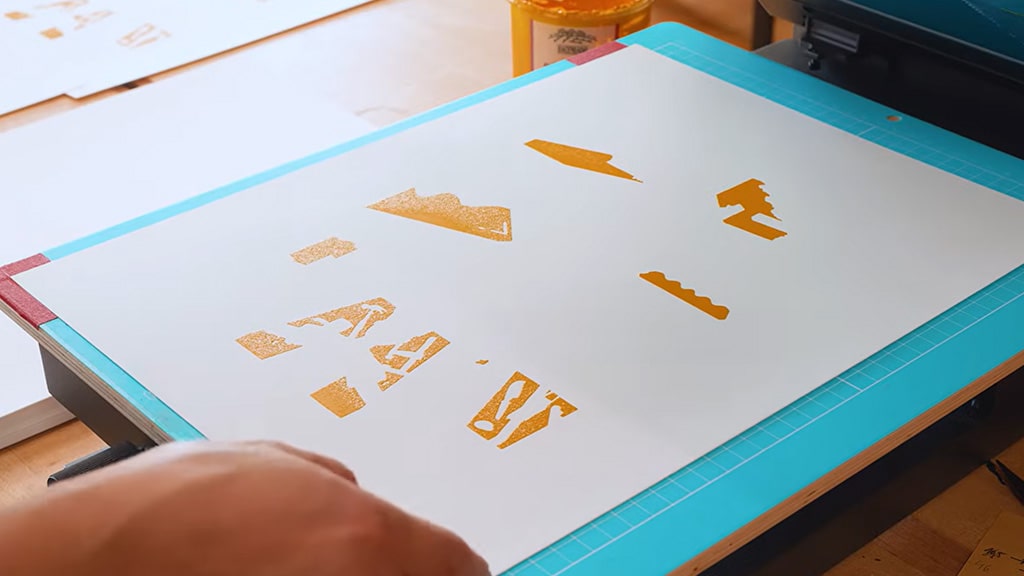
Silk screen printing (often called serigraphy or simply screen printing) is a printing technique where ink is forced through a mesh stencil onto a substrate using a rubber squeegee. It is best known for its ability to produce thick, vibrant, and durable designs on virtually any material, from t-shirts to glass packaging.
Despite the rise of digital printing, screen printing remains the gold standard for high-volume orders and industrial durability. In this 2026 guide, we break down the history, the mechanics, and why this ancient method still dominates the modern printing world.
Key Takeaways
Best For: High-volume orders (bulk apparel, packaging).
Key Advantage: Unmatched ink thickness and durability.
Versatility: Prints on textiles, glass, metal, wood, and plastic.
Cost: High setup cost, but lowest cost-per-unit for large runs.

How Does Silk Screen Printing Work? (The Process)
While modern machines have automated the labor, the physics of screen printing remains the same. Here is the step-by-step workflow used by professional printers.
Step 1: Design & Separation
The artwork is created digitally. Unlike digital printing, screen printing cannot print all colors at once. The design must be "separated" into individual layers—one for each color (e.g., a red logo with a black outline requires two separate screens).
Step 2: Preparing the Screen (The Mesh)
A frame (usually aluminum) is stretched with a mesh screen.
Note on "Silk": Originally, this mesh was made of silk. Today, we use polyester because it is stronger and holds tension better.
Mesh Count: Printers choose different mesh counts (holes per inch). Lower counts allow more ink (for athletic jerseys), while higher counts allow fine detail.
Step 3: Coating & Exposing (The Stencil)
The screen is coated with a light-sensitive emulsion. The design film is placed on the screen, and it is exposed to bright UV light.
The light hardens the emulsion.
The area blocked by your design (the black ink on the film) stays soft.
The unhardened emulsion is washed away with water, leaving a clean stencil where the ink will pass through.
Step 4: Printing (The Squeegee Push)
The screen is placed over the item (t-shirt, bottle, box). Ink is placed on top of the screen. A rubber blade called a squeegee is pulled across the screen, forcing ink through the open mesh and onto the product.
Step 5: Curing
The ink is not just dried; it is cured. The item runs through a conveyor dryer at high temperatures (typically 320°F / 160°C). This bonds the ink molecules to the material, ensuring it won't wash out or crack.
Types of Inks Used
To sound like an expert, it helps to know your inks. The durability of screen printing comes largely from the ink chemistry:
Plastisol: The industry standard for apparel. It sits on top of the fabric, creating a plasticized, vibrant shield.
Water-Based: Soaks into the fabric for a super-soft feel (popular in fashion retail).
Discharge Ink: Removes the dye of the fabric and replaces it with pigment.
Solvent Inks: Used for hard surfaces like plastic, metal, and glass (crucial for industrial packaging).
Advantages of Silk Screen Printing
Why do we still use this method in 2026 when digital printers exist?
1. Unmatched Vibrancy (The "Pop" Factor)
Digital printers use CMYK dots to simulate colors. Screen printing uses "Spot Colors" (like Pantone matching). If you need a specific branding color (e.g., Coca-Cola Red), screen printing hits it 100% accurately with a thick, opaque layer of ink.
2. Durability
Because the ink layer is thick and heat-cured, screen prints can withstand thousands of wash cycles, sunlight, and abrasion. This makes it ideal for workwear and uniforms.
3. Economy of Scale
Setup: Expensive (burning screens takes time).
Production: Very cheap. Once the screens are set up, printing 1,000 shirts takes minutes. The more you print, the cheaper the cost per unit becomes.
4. Versatility (The "Print on Anything" Method)
Digital printers usually require flat, specially treated surfaces. Screens can print on:
Curved surfaces: Bottles, mugs, and tubes (using rotary screen printing).
Textures: Canvas, wood, and corrugated cardboard.
Silk Screen vs. Digital (DTG & DTF)
The printing landscape has changed. Here is how Screen Printing compares to the modern challengers: Direct-to-Garment (DTG) and Direct-to-Film (DTF).
|
Feature |
Silk Screen Printing |
Digital (DTG/DTF) |
|---|---|---|
|
Best Quantity |
Bulk (25+ items) |
Small runs (1-24 items) |
|
Color Limit |
Limited (usually max 6-12 colors) |
Unlimited (photos/gradients) |
|
Feel |
Thicker, noticeable texture |
Thinner (DTG) or Plastic-like (DTF) |
|
Durability |
Highest (10/10) |
Moderate (7/10) |
|
Setup Cost |
High |
Low/None |
|
Gradients |
Difficult (requires halftones) |
Excellent |
Verdict: If you are printing a photograph on 5 shirts, choose Digital. If you are printing a bold logo on 500 shirts (or 5,000 packaging bottles), choose Screen Printing.
Common Applications in 2026
It’s not just about t-shirts. Here is where you see screen printing every day:
Apparel: Hoodies, uniforms, tote bags.
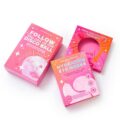
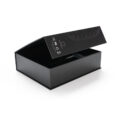
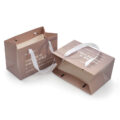
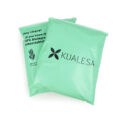
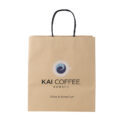
Packaging (Dauxin's Specialty): Cosmetic tubes, glass bottles, and rigid boxes. Screen printing allows for tactile effects like "High Build" (raised varnish) that adds a premium feel to packaging.
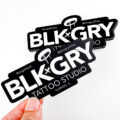
Decals & Stickers: Vinyl stickers that need to survive outdoors.
Electronics: Circuit boards often use conductive inks applied via screen printing.
Final Thoughts: Is Screen Printing Right for You?
Silk screen printing is more than just a history lesson; it is the backbone of the merchandise and packaging industry.
Choose Silk Screen if:
You need vibrant, opaque colors on dark materials.
You are ordering in bulk (50+ units).
You need the print to last for years.
You are printing on specific substrates like glass, metal, or wood.
Choose a different method if:
You only need 5 items.
Your design is a complex photograph with shadows and gradients.
At Dauxin, we understand that the print method reflects your brand's quality. Whether you need industrial packaging or custom merchandise, we can analyze your design and volume to recommend the most cost-effective, high-quality solution.
Need a Custom Packaging?
Get a Free Quote Today!